
Hyperpigmentation is one of the most common reasons people visit a dermatology clinic. Whether it appears as acne marks, sun spots, melasma or patchy skin tone, excess melanin can leave the skin looking uneven and dull. While skincare products can help in mild cases, persistent pigmentation often requires professional treatment.
According to Dr. Archit Aggarwal, Dermatologist in Faridabad, “Glycolic acid peels are particularly effective for superficial pigmentation because they accelerate skin cell turnover. When used correctly, they help fade dark spots gradually while improving overall skin quality and radiance.”
When Is a Glycolic Acid Peel Recommended for Hyperpigmentation?
Not all pigmentation responds the same way. Glycolic acid peels are most beneficial when excess pigment is present in the upper layers of the skin.
Conditions that may benefit from a glycolic acid peel:
- Post-inflammatory hyperpigmentation (PIH): Dark marks left behind after acne, eczema or minor skin injuries.
- Sun-induced pigmentation: Uneven pigmentation caused by repeated UV exposure.
- Mild melasma: Certain cases of hormonal pigmentation may improve under dermatologist supervision.
- Uneven skin tone: Areas of patchy pigmentation that make the complexion appear dull.
- Early age spots: Superficial pigmentation linked to sun exposure and ageing.
In addition to improving pigmentation, glycolic acid peels can enhance skin texture, reduce dullness and provide a more refreshed appearance.
How dermatologists determine suitability:
- Depth of pigmentation
- Skin type and sensitivity
- History of melasma or recurrent pigmentation
- Previous treatments and response
- Overall skin health
A consultation helps determine whether a glycolic acid peel alone is sufficient or if combination treatment may be required
How Glycolic Acid Peel Works to Improve Hyperpigmentation
Glycolic acid is an alpha-hydroxy acid (AHA) derived from sugarcane. It has one of the smallest molecular sizes among AHAs, allowing it to penetrate the skin effectively.
How glycolic acid reduces pigmentation:
- Exfoliates pigmented skin cells: Removes surface cells containing excess melanin.
- Increases skin cell turnover: Promotes faster replacement of damaged skin.
- Improves skin brightness: Reveals fresher and healthier skin underneath.
- Enhances product penetration: Helps prescription pigmentation creams work more effectively.
- Stimulates skin renewal: Encourages long-term improvement in skin tone and texture.
Why glycolic acid peels are popular:
- Suitable for multiple skin concerns
- Minimal downtime compared to deeper peels
- Quick in-clinic procedure
- Can be customised for different skin types
- Often combined with medical skincare for enhanced results
Most patients notice gradual improvement over multiple sessions rather than dramatic changes after a single treatment.
Want to improve your pigmentation? Book a dermatologist consultation for a personalized treatment plan.
What to Expect Before, During and After the Procedure
A glycolic acid peel is a straightforward outpatient procedure that typically takes 20 to 30 minutes.
Before the Procedure
Your dermatologist evaluates your skin and reviews your medical history before recommending treatment.
Preparation may include:
- Avoiding retinoids and harsh exfoliants for a few days
- Using sunscreen regularly
- Informing your dermatologist about active skin conditions
- Following any prescribed pre-treatment skincare routine
During the Procedure
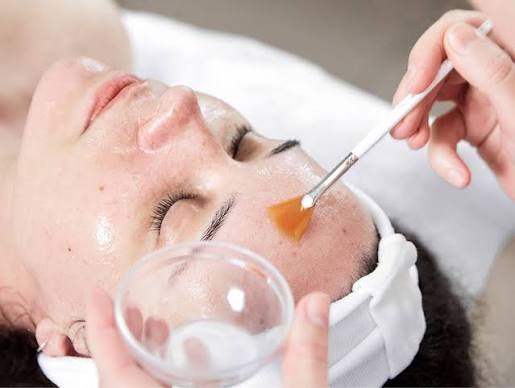
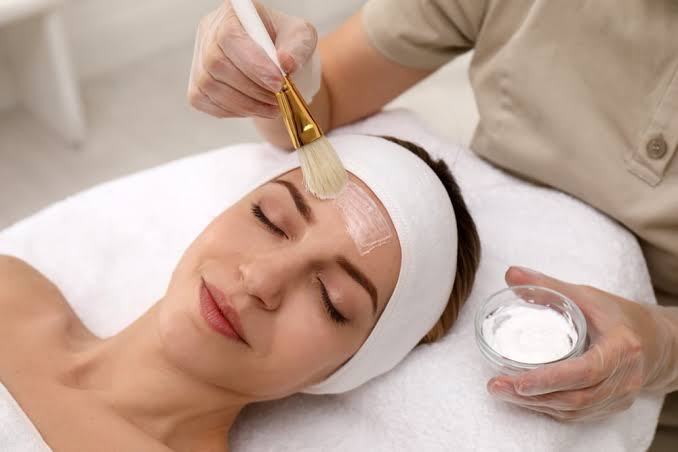
The peel is carefully applied under professional supervision.
What happens during treatment:
- Skin is cleansed thoroughly
- Glycolic acid solution is applied evenly
- The peel remains on the skin for a controlled period
- Neutralising solution may be used when required
- Moisturiser and sunscreen are applied afterwards
Most patients experience mild tingling, warmth or slight stinging that settles quickly.
After the Procedure
The skin may appear slightly pink and feel sensitive immediately after treatment.
Common post-treatment changes:
- Mild redness
- Dryness or tightness
- Light peeling or flaking
- Increased sensitivity to sunlight
Visible improvement typically develops gradually over the following weeks as the skin renews itself.
When Is a Glycolic Acid Peel Not the Best Treatment Option?
Although glycolic acid peels are effective for many patients, they are not always the ideal treatment choice.
A glycolic acid peel may not be suitable for:
- Deep dermal pigmentation: Pigment located deeper in the skin often responds better to laser-based treatments.
- Active infections: Bacterial, fungal or viral skin infections should be treated first.
- Severely sensitive skin: Conditions such as active rosacea or eczema may worsen with peeling agents.
- Recent cosmetic procedures: Patients who have undergone laser treatments or aggressive resurfacing may need additional healing time.
- Poor sun protection habits: Without consistent sunscreen use, pigmentation may recur or worsen.
Alternative treatments may include:
- Q-Switched Nd:YAG laser
- Chemical peels with different formulations
- Prescription pigmentation creams
- Combination therapy
- Laser toning for deeper pigmentation concerns
A dermatologist can recommend the most appropriate treatment based on pigment depth, skin type and underlying triggers.
Not all pigmentation responds to chemical peels explore the most effective treatment option for your skin type and pigment depth.
Frequently Asked Questions
How many glycolic acid peel sessions are usually needed?
Most patients require a series of 4 to 6 sessions performed several weeks apart, depending on the severity of pigmentation.
Is a glycolic acid peel painful?
The procedure is generally well tolerated. Mild tingling or stinging may occur during application but typically resolves quickly.
Can glycolic acid peels remove acne marks?
Yes. Glycolic acid peels are commonly used to improve post-inflammatory hyperpigmentation left behind by acne.
How soon will I see results?
Many patients begin noticing brighter skin within a few weeks, while significant pigment reduction usually requires multiple sessions.
Is there any downtime after treatment?
Downtime is minimal. Mild redness, dryness and peeling can occur for a few days after the procedure.
