
What Is It?
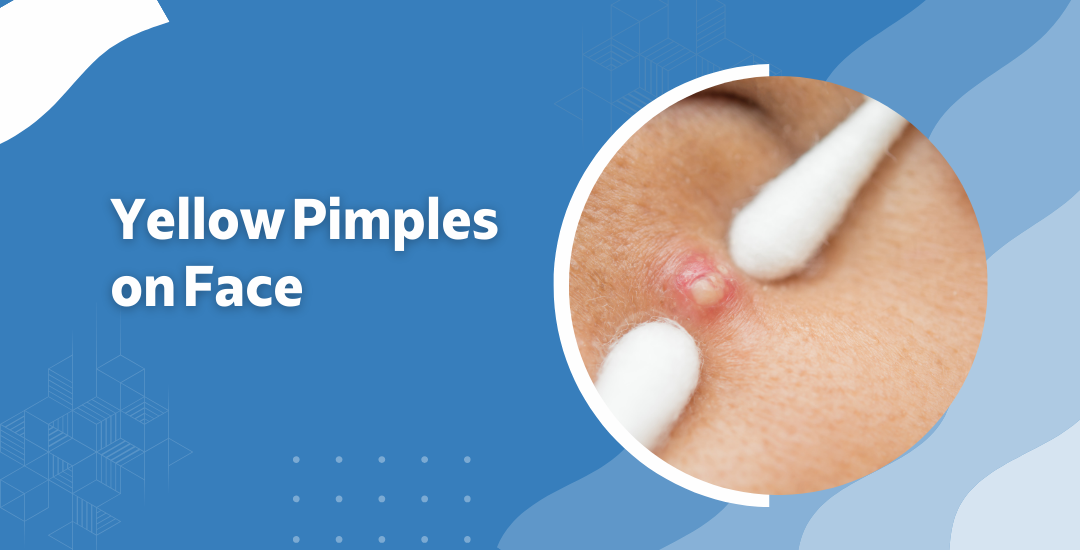
Yellow pimples are a type of acne lesion filled with pus. They usually show up as raised bumps with a yellowish or white center. These guys form when hair follicles get clogged with oil, dead skin, and bacteria, leading to inflammation right under the surface.
They’re hard to miss and, honestly, can be pretty distressing for anyone—teens, adults, doesn’t matter. The yellow color? That’s just your immune system sending in white blood cells to fight the bacteria.
What sets them apart:
- Raised, inflamed bumps with a yellow or cream-colored head
- Can be sore or tender if you touch them
- Often surrounded by red, irritated skin
- Most common on the face—forehead, chin, cheeks, you name it
In our practice, we see these pustules in peoples of all ages, but teenagers and young adults seem to get the worst of it. Dr. Archit Aggarwal always says proper identification matters for getting the right treatment.
Trying to pop these pimples? Not a good idea. It can actually make things worse—more inflammation, spreading bacteria, and scars you’ll regret later. With a bit of know-how and experience, we can figure out what’s really going on and how serious it is.
Getting checked by a dermatologist in Faridabad can save you a lot of trouble. The sooner you get the right advice, the quicker your skin can bounce back.
What Are The Causes Of Yellow Pimples On Your Face
Yellow pimples—or pustules, if you want to get technical—pop up when hair follicles get jammed with too much oil, dead skin, and bacteria. That yellow or white stuff? It’s just pus, mostly dead white blood cells that piled up while your body fought off the bacteria.
Excess Sebum Production
Sometimes our skin just makes too much oil, especially when hormones are jumping around. Pores get clogged, bacteria get comfy, and suddenly, pustules appear.
Bacterial Growth
The bacteria Propionibacterium acnes lives on everyone’s skin. But when pores are blocked, it multiplies fast, and your immune system reacts, causing that telltale yellow pus.
Hormonal Changes
Hormones change a lot during puberty, periods, pregnancy, or with certain health issues. That often means more oil and, unfortunately, more pimples. Sometimes you need a specialist’s help to really get it under control.
Other Contributing Factors
- Eating lots of high-glycemic foods or dairy
- Stress (it really does mess with your hormones)
- Bad skincare habits or using pore-clogging products
- Touching your face with dirty hands
- Certain meds that mess with oil production
We know how much these skin issues can mess with your confidence. While basic skincare routines help some, tougher cases might need more advanced treatments—topical stuff, chemical peels, even laser treatment for really stubborn pimples. And if there’s an underlying allergy or skin disease, it’s worth getting a full workup to figure out what’s actually going on.
How Do You Treat Yellow Pimples On Your Face At Home
There are a few home remedies that actually work pretty well for yellow pimples. Green tea rinse is a favorite—its antioxidants calm inflammation and fight bacteria. Just steep a tea bag, let it cool, and dab it on with a cotton pad.
Aloe vera gel is another helpful option .Apply some fresh gel on the pimples for 20 minutes, then rinse it off. It’s soothing, takes down redness, and helps your skin heal without leaving marks.
A turmeric and yoghurt mask can be surprisingly effective. Mix a teaspoon of turmeric with two tablespoons of yogurt, spread it on, and leave it for 15 minutes. Just a heads-up: turmeric can stain, so maybe do this at night.
Witch hazel toner is handy for tightening pores and cutting down on oil. Go for the alcohol-free kind and use it with a cotton pad twice a day. It keeps your skin balanced without drying it out.
For spot treatment, neem and honey paste works wonders. Neem tackles bacteria and honey hydrates. Grind up some neem leaves, mix with a teaspoon of honey, and leave it on for 10 minutes.
A few things to keep in mind:
Are These Yellow Pimples On Your Face Serious?
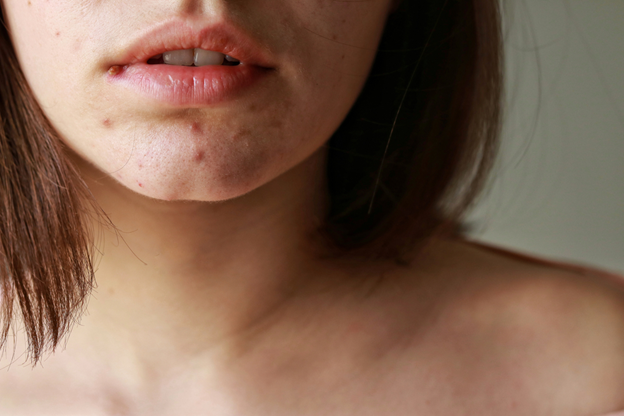
Most yellow pimples aren’t a big deal—they’re just a part of your skin’s way of healing from acne. The yellow stuff is pus, which is just your body cleaning up the mess from the infection.
They usually fall into these groups:
- Pustules – Inflamed spots with a yellow or white center
- Whiteheads – Blocked pores that look a bit yellow
- Papules turning into pustules – Red bumps that develop yellow heads
Still, if you see big, painful lumps or cysts that are yellowish, don’t wait it out—those can leave scars if ignored.
Consider seeing a dermatologist if:
- Pimples are very painful or keep getting bigger
- You’ve got clusters of yellow bumps that stick around for weeks
- There’s spreading redness, warmth, or you get a fever
- Bumps look like syringomas (those stubborn yellowish clusters near your eyes)
How serious it is depends on what’s causing it and the type of bump you’ve got. Most yellow pimples clear up on their own or with basic treatments like benzoyl peroxide or salicylic acid, but if things are bad, you might need something stronger.
Whatever you do, don’t pick or squeeze them—it just pushes bacteria deeper and can leave scars. If you’re not sure what’s going on or nothing seems to help, a dermatologist can figure out the next steps.
What Are The Treatments For Yellow Pimples On Your Face
Yellow pimples (pustules) need a specific approach if you want them gone for good. Starting with gentle topical treatments is usually best, they target both bacteria and inflammation without being too harsh.
Topical Treatment Options
Benzoyl peroxide is a classic and works well for most people. It kills off acne bacteria and calms things down. Starting with a low dose (like 2.5%) is smart to avoid irritation.
Salicylic acid helps exfoliate and keeps pores clear, so new pimples don’t have a chance to form. Topical retinoids can also help unclog pores and prevent more breakouts.
When to Consider Prescription Medications
If nothing over-the-counter is working, you might need topical or oral antibiotics. These cut down bacteria and reduce swelling. Oral antibiotics like doxycycline or minocycline are common for moderate cases.
For women, hormonal treatments (even certain birth control pills) can help if breakouts are tied to hormone swings. In really tough cases, isotretinoin might be the answer, but that’s a big step and needs close monitoring.
Professional Procedures
Sometimes, a corticosteroid injection is the fastest way to shrink a painful pimple. Chemical peels can also help with skin texture and breakouts, but these should only be done by a pro.
Other Treatment Tips
Don’t pick at yellow pimples—just don’t. Stick with non-comedogenic products and a steady skincare routine. If you’ve tried everything for 6-8 weeks and nothing’s changing, it’s time for a dermatologist to step in and create a plan that actually works for you.
When To Contact A Doctor

Usually, yellow pimples clear up with decent home care, but sometimes you really do need a doctor’s help. If things aren’t improving or seem to be getting worse, don’t wait it out.
Reach out to a doctor if you notice severe pain, swelling, or signs that an infection is spreading. Fever, extra warmth, or red streaks around the pimples? That’s your cue for a checkup—don’t ignore it.
Reach out to KDC Skin & Hair Clinic if you notice:
- Pimples that just won’t heal after two weeks
- The same yellow pustules keep coming back in one spot
- Big, painful cysts or nodules
- Scarring or changes in skin color
- Lots of lesions spreading across your face
- Acne that’s messing with your confidence or daily life
We see patients all over Faridabad, Haryana, including NIT, Old Faridabad, and Greater Faridabad. Getting help early can prevent scars, dark spots, or deeper skin infections. If nothing’s changed after four to six weeks of over-the-counter treatments, it’s time for professional advice.
If you’ve got other health issues, a weak immune system, or diabetes, don’t wait—get checked sooner rather than later. We offer treatment plans tailored to your skin and situation, using the latest dermatology tools and techniques.
Conclusion
Yellow pimples on your face? Yeah, they can be pretty annoying—and nobody wants to deal with the scars or complications that might follow. If you’re stuck with stubborn pustular acne, it’s usually a good idea to get it checked out by someone who knows what they’re doing. That way, you’re not just guessing what’ll work.
At KDC Skin & Hair Clinic in Sector 35, Faridabad, we see all sorts of acne cases, yellow pustules included. Dr. Archit Aggarwal’s been at this for a while—clinical and aesthetic dermatology are kind of his thing—so you’re not just another number here.
Here’s what we actually do:
- Take a good look at your skin to figure out what’s really going on
- Put together a treatment plan that actually fits your skin (not some one-size-fits-all thing)
- Use up-to-date treatments, whether it’s meds or advanced procedures
- Share realistic skincare advice and prevention tips that you can actually stick to
We see people from NIT, Old Faridabad, Greenfield Colony, and Greater Faridabad—so you won’t be the only one making the trip. Treatments range from basic topicals to lasers, depending on what you need. And yeah, it’s all evidence-based stuff.
Before we wrap up, let’s address some frequently asked questions that many people have about the process.
Frequently Asked Questions
Can yellow pimples be a sign of an underlying skin condition?
Yellow pimples are often a result of acne, but in some cases, they can be linked to other skin conditions such as rosacea or folliculitis. If yellow pimples persist despite treatment, it’s important to consult a dermatologist to rule out other causes.
Is it possible to prevent yellow pimples?
While it’s not always possible to prevent yellow pimples, maintaining a consistent skincare routine, using non-comedogenic products, avoiding excessive touching of the face, and managing stress can help reduce their occurrence.
Can diet affect yellow pimples on the face?
Yes, consuming foods high in sugar or dairy products can sometimes exacerbate acne and yellow pimples. A balanced diet with low-glycemic foods and proper hydration may help improve skin health.
Are there any lifestyle changes that can help reduce yellow pimples?
Incorporating regular exercise to reduce stress, getting enough sleep, and avoiding excessive exposure to dirt or pollutants can contribute to healthier skin and help prevent yellow pimples from forming.
