
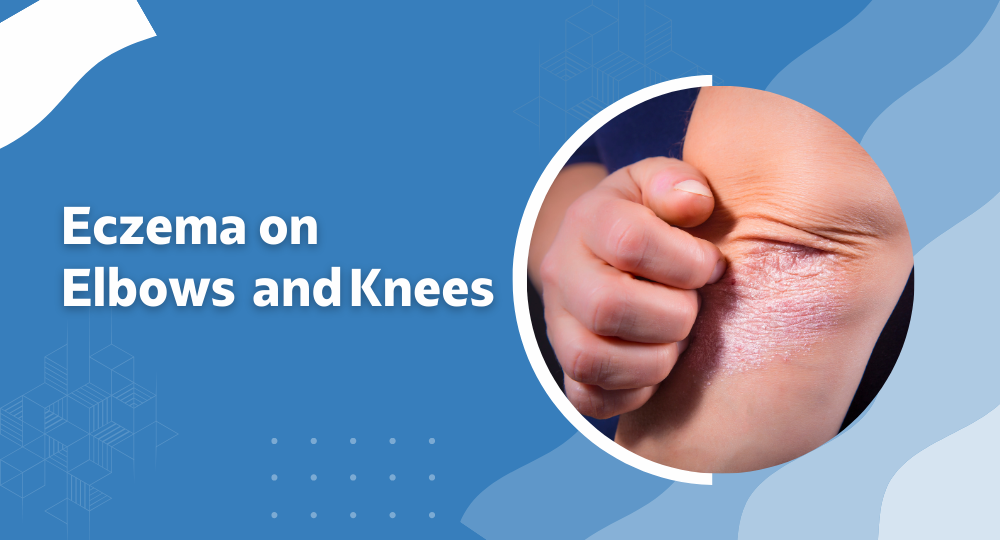
Eczema is a frustrating skin problem that can make everyday life pretty tough. It usually appears on the parts of your body that bend and move around like your elbows and knees. This is where it can cause dryness and itchiness and make your skin feel really irritated. If you have eczema on your elbows and knees you know how bad it can feel. Eczema can be very uncomfortable. It is something that people with eczema, on their elbows and knees have to deal with all the time.
While eczema can affect any part of your body, these areas are particularly vulnerable due to frequent movement and friction. Dr. Archit Aggarwal, a leading dermatologist in Faridabad, explains, “Elbows and knees are common spots for eczema flare-ups because the skin is constantly being stretched, which can irritate sensitive areas.”
The good news is that eczema can be controlled. With the care and treatment for eczema you can make the symptoms of eczema better and get your skin feeling healthy again with the right treatment for eczema.
Let’s dive into the common symptoms, causes, triggers, and how to properly manage eczema on elbows and knees.
Symptoms of Eczema on Elbows and Knees
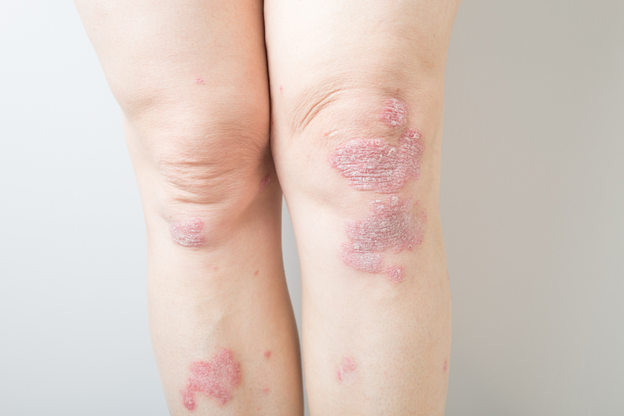
Eczema on the elbows and knees can show up in different forms, but the most common symptoms include:
- Dry, scaly skin on elbows and knees
- Itchy patches on knees or elbows that may worsen with scratching
- Red rash on elbows that can be inflamed or raw
- Thickened skin on knees or elbows, which may feel rough
- Cracked skin on elbows, which can sometimes bleed if irritated
If you’re noticing any of these signs, especially if they persist, it’s time to think about an action plan to manage your symptoms effectively.
What Are the Causes and Triggers of Eczema on Elbows and Knees?
Eczema is caused by a combination of genetic and environmental factors. It tends to flare up when your skin’s protective barrier becomes weakened. Some common causes and triggers for eczema on the elbows and knees include:
- Genetics: Eczema often runs in families, so if you have a family history of eczema, asthma, or allergies, you may be more prone to it.
- Dry skin: Areas like elbows and knees are prone to becoming dry, which can trigger or worsen eczema.
- Irritants: Harsh soaps, detergents, and certain fabrics can irritate the skin and lead to flare-ups.
- Weather changes: Cold, dry air or extreme heat can strip moisture from your skin, making it more susceptible to eczema.
- Allergens: Dust, pollen, and pet dander can trigger eczema, especially in sensitive areas like your elbows and knees.
Dr. Aggarwal advises, “It’s important to identify and avoid triggers when possible. Keeping track of your environment and products you use can help you pinpoint what’s causing the irritation.”
How Do I Get Rid of Eczema on My Elbows and Knees?
While there’s no one-size-fits-all cure for eczema, there are several strategies you can try to alleviate the symptoms and prevent flare-ups:
- Moisturize regularly: Keeping your skin hydrated is key. Use thick, fragrance-free moisturizers to prevent dryness. Petroleum jelly is a great option for areas like your elbows and knees.
- Use topical treatments: Over-the-counter hydrocortisone creams can help reduce inflammation and itching. For more severe cases, your dermatologist in Faridabad may prescribe stronger medications.
- Avoid scratching: It can be tough, but scratching can make eczema worse and even cause infection. Try using anti-itch creams or cold compresses to soothe the skin.
- Bathe with care: Use lukewarm water and gentle, fragrance-free soaps to avoid stripping your skin of natural oils. After bathing, pat your skin dry and apply moisturizer immediately.
These treatments can help keep dry scaly skin on elbows and other eczema symptoms in check.
How to Manage Eczema on Elbows and Knees
Managing eczema is all about consistency and care. Here are some additional tips for managing eczema on your elbows and knees:
- Wear soft fabrics: Rough materials like wool can really irritate your skin. So it is better to opt for cotton clothing. Cotton is great because it allows your skin to breathe. .
- Avoid triggers: Identify personal triggers, like certain foods or environmental factors, and try to eliminate them from your routine.
- Use anti-itch products: You can try using over the counter creams to stop the itching. These creams are available at stores. Can really help when you feel like scratching something.
- Practice good hygiene: Gently cleanse the affected areas without scrubbing, and apply moisturizers right after washing to lock in moisture.
If your eczema is persistent or worsening, it’s always a good idea to see a dermatologist who can offer tailored solutions.
When to Contact a Doctor
If you have been dealing with eczema on your elbows and knees and it is not getting better or it is getting worse it may be time to talk to a professional. Contact a dermatologist, in Faridabad if you experience:
- Persistent redness or swelling that doesn’t respond to home treatment
- Cracked, bleeding, or infected skin
- Extreme pain or discomfort
- Rapid spread of eczema to other areas of your body
Dr. Aggarwal recommends, “Don’t hesitate to reach out if your symptoms are impacting your quality of life. There are effective treatments that can help.”
Conclusion
Eczema on elbows and knees can be really frustrating. If you take good care of it and get the right treatment you can deal with it. The main thing is to know what is happening with your eczema, figure out what makes it worse and take care of your skin every day. If you ever feel like your eczema is out of control, a visit to a skilled dermatologist in Faridabad can provide the personalized care you need.
By staying proactive and incorporating these strategies into your daily routine, you can keep eczema at bay and enjoy smoother, healthier skin.
Frequently Asked Questions
What is a good home remedy for eczema?
Why do I suddenly have eczema?
What is the 3-minute rule for eczema?
How do you treat eczema in children?
