
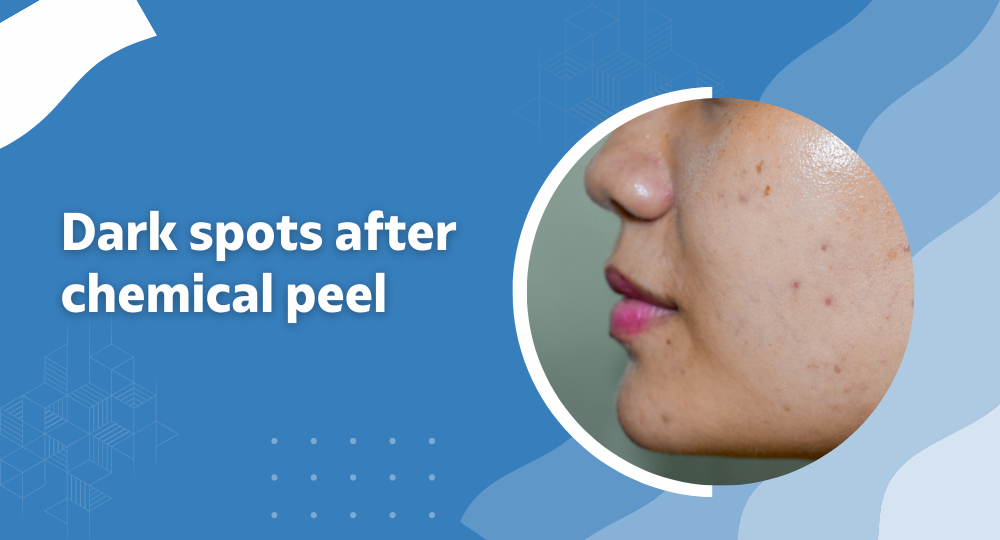
Chemical peels serve as common methods for skin rejuvenation because they effectively treat pigmentation issues and acne scars and wrinkles. The procedure usually produces outstanding results but certain patients develop dark spots after undergoing chemical peel treatment.
Dr. Archit Aggarwal, a highly experienced dermatologist in Faridabad, has successfully treated many patients dealing with post-peel skin concerns. In this blog, we’ll delve into why these dark spots occur, how to manage them, and what you can do to minimize their appearance.
Is It Normal to Have Dark Spots After Chemical Peel?
👉 Is this a common occurrence after a peel? Let’s clarify.
Patients with darker skin tones will typically experience dark spots which emerge after their chemical peel procedure. The dark spots which appear after chemical peels represent a type of hyperpigmentation that manifests as darker patches on skin which received the strongest peel treatment.
The way dark spots develop in different situations shows that their patterns will vary from one situation to another. Some instances of these spots actually indicate a serious medical condition which needs immediate medical attention
What Are the Causes of Dark Spots After Chemical Peel?
⚠️ Wondering why dark spots appear?
Here’s why it happens.
While dark spots after chemical peel can be a normal side effect, understanding their causes can help you prevent or minimize them in the future.
1. Post-Inflammatory Hyperpigmentation (PIH)
Post-Inflammatory Hyperpigmentation (PIH): This is the most common reason for dark spots after a chemical peel. PIH occurs when the skin experiences inflammation after the treatment, leading to an increase in melanin production, which causes darker skin patches.
2. Sun Exposure
Sun Exposure: After a chemical peel, your skin is highly sensitive, and exposure to the sun can trigger excess melanin production. Without adequate sun protection, the skin can darken as a response to UV rays.
3. Excessive Peeling or Over-exfoliation
Excessive Peeling or Over-exfoliation: If the peel is too strong or left on for too long, it can cause the skin to react excessively. This might lead to uneven skin tone and dark spots as the skin heals.
4. Improper Aftercare
Improper Aftercare: Failing to follow post-peel care instructions, such as not moisturizing or using harsh products, can worsen the appearance of dark spots.
Concerned about your dark spots after a chemical peel? Book a consultation with Dr. Archit Aggarwal, a leading dermatologist in Faridabad, for personalized care and advice.
How Long Does It Take for Dark Spots to Fade After a Chemical Peel?
⏳ Wondering how long you’ll have to wait? Let’s look at the timeline.
The duration for dark spots to fade can vary, depending on several factors including your skin type, the depth of the peel, and how well you follow aftercare instructions.
The typical fade time for dark spots from post-inflammatory hyperpigmentation mild cases lasts between 4 to 6 weeks.
The deeper pigmentation cases require between 3 to 6 months to fade, whereas the spots that last beyond common recovery times take longer to fade.
The skin will heal from chemical peel treatment, but patients need to wait for this process to complete.
How to Identify Post-Peel Dark Spots
🔍 Not all marks are the same, here’s how to spot the difference. After a chemical peel, you might notice various changes in your skin, but how can you tell if what you’re seeing is a dark spot? Here’s how to identify them:
1. Color
Dark spots are typically darker than your surrounding skin. They can range from brown to darker shades depending on your skin tone.
2. Texture
Dark spots may be flat or slightly raised. If they’re raised or feel rough, they might be scars rather than temporary pigmentation changes.
3. Timing
If the dark spots appear within a few days to weeks after the peel, they’re likely the result of inflammation during the healing process.
Dr. Aggarwal advises, “It’s important to identify and avoid triggers when possible. Keeping track of your environment and products you use can help you pinpoint what’s causing the irritation.”
How to Manage Dark Spots After Chemical Peel
💡 Here’s how to effectively manage and reduce dark spots after a chemical peel.
While dark spots can be a frustrating side effect of chemical peels, there are several ways to manage them and speed up their fading:
1. Sun Protection
Always use a broad-spectrum sunscreen with SPF 30 or higher. Reapply it every 2 hours to protect your healing skin and prevent dark spots from getting worse.
2. Topical Treatments
Products containing ingredients like vitamin C, niacinamide, and alpha hydroxy acids (AHAs) can help lighten dark spots. These ingredients brighten the skin and even out pigmentation.
3. Gentle Skincare Routine
Avoid harsh scrubs or exfoliants. Opt for mild, soothing products that hydrate and nourish your skin as it heals.
4. Consult Your Dermatologist
Dr. Archit Aggarwal may recommend treatments such as chemical peels for post-peel pigmentation or laser therapy to help target stubborn dark spots.
5. Patience & Consistency
It takes time for the skin to heal. Stick to a routine of gentle care and protection, and be patient as the spots gradually fade.
When to Contact a Doctor
☎️ Should you be concerned? Here’s when you should reach out.
If you experience any of the following, it’s important to consult with a dermatologist, like Dr. Archit Aggarwal, to avoid complications:
- Severe or persistent dark spots that don’t fade after several months.
- Signs of infection, such as increased redness, pain, or swelling.
- Scarring or keloid formation that disrupts the healing process.
Consulting your dermatologist early can help prevent long-term damage and improve the appearance of your skin.
Conclusion
🧴 In conclusion, while dark spots after a chemical peel can be a common side effect, understanding their causes, proper care, and when to seek expert help can significantly improve the outcome.
By following expert aftercare advice from Dr. Archit Aggarwal, you can manage post-peel pigmentation effectively. With the right protection, patience, and professional guidance, your skin can return to its glowing, even-toned best.
Frequently Asked Questions
What is a good home remedy for eczema?
Some people find relief with natural oils like coconut oil or aloe vera. However, it’s important to test them first and ensure they don’t cause irritation.
What are the worst days after a chemical peel?
The first few days after a chemical peel can be the most uncomfortable, with redness, swelling, and peeling. By day 5 to 7, the peeling process is usually at its peak, and your skin may feel dry and tight.
Will scarring from a chemical peel go away?
In most cases, scarring from a chemical peel will fade over time, especially with proper care. However, deep scars may require additional treatments like laser therapy or microneedling to improve their appearance.
Can dark spots after a chemical peel be prevented?
Yes, while you can’t prevent them entirely, you can minimize dark spots by avoiding sun exposure, following proper aftercare, and using gentle, soothing skincare products.
Are dark spots more common in certain skin types?
Yes, individuals with darker skin tones are more prone to post-inflammatory hyperpigmentation. However, with the right treatment and care, these spots can be managed effectively.
